
Visionnez sur YouTube un film mettant en avant «controlled male chastity»
Une analyse de « controlled male chastity » par Totus Catholica
Totus Catholica a partagé cette vidéo sur YouTube
à propos de « controlled male chastity »:
Au moment de notre découverte, cette vidéo avait un certain écho. Le compteur de Likes indiquait: 325.
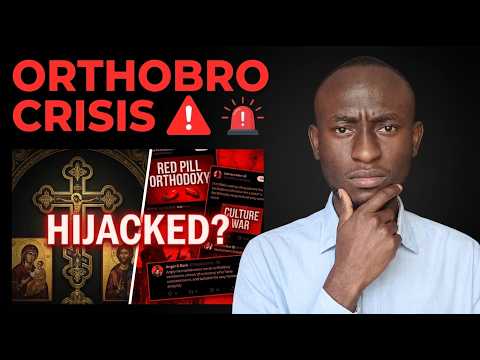
La durée de 00:08:36 secondes et le titre « Orthobros » EXPOSED: The Dark Side of Orthodox Social Media sont à prendre en compte, ainsi que les informations de l’auteur et la description qui suit :«  Support This Mission – Help us create more Catholic content:
 https://buymeacoffee.com/totuscatholica
« Orthobros » EXPOSED: The Dark Side of Orthodox Social Media
Have you seen young men converting to Eastern Orthodoxy while using their newfound faith to promote far-right ideologies, misogyny, and even white supremacy? This phenomenon has been dubbed the « Orthobro » crisis, alarming Orthodox leaders and Catholic observers alike. These converts, often radicalized through social media platforms, claim to embrace traditional Christianity while rejecting « Western degeneracy. » But their version of Orthodoxy sometimes bears little resemblance to historic apostolic faith.
 The problem is not Eastern Orthodoxy itself, which shares apostolic succession and valid sacraments with the Catholic Church, but rather the distortion of Orthodox teaching by extremists who cherry-pick elements to justify hatred. Today we examine this crisis through a Catholic lens: exploring what drives these conversions, what the Church teaches about our Orthodox brothers and sisters, and how to respond with both truth and charity.
 What You’ll Discover
 The Orthobro Phenomenon: Young men radicalized online, mixing ancient liturgy with modern ethno-nationalism
 The « Dunking » Culture: Why some converts treat ancient Christian divisions as opportunities for online mockery rather than prayer
 Catholic Teaching on Orthodoxy: Apostolic succession, valid sacraments, and the « sister churches » (CCC 818, Unitatis Redintegratio)
 The Real Divide: Filioque, Papal Primacy, and Immaculate Conception vs. online culture wars
 Vatican II & Nostra Aetate: How to balance ecumenical respect with opposing extremism
 Pastoral Response: How to stand against racism and misogyny without attacking authentic Orthodox tradition
 Chapters
0:00 – The « Orthobro » Crisis Explained
0:54 – Why Young Men Are Radicalizing via Orthodoxy
2:25 – What the Catholic Church Actually Teaches About Orthodoxy
3:56 – The Danger of Ideological Christianity
5:30 – How Catholics Should Respond (Truth & Charity)
6:22 – Distinguishing Authentic Orthodoxy from Online Extremism
7:30 – The Call to Authentic Holiness vs. Online Performance
 Stay Connected:
 Daily Holy Hour – https://totuscatholica.org/rosary
 Website – https://totuscatholica.org
 Contact me – https://totuscatholica.org/contact
Key Teaching & References
CCC 818: Eastern Churches possess true sacraments, especially the priesthood and Eucharist
Unitatis Redintegratio: Vatican II decree encouraging respect for Eastern spiritual riches
John 17;21: Christ’s prayer “that they may all be one”
Galatians 3;28: “There is neither Jew nor Greek… for you are all one in Christ Jesus”
1 John 4;20: “Whoever claims to love God yet hates a brother or sister is a liar”
Titus 2;2: Instructions on Christian manhood (temperate, worthy of respect) vs. online aggression
Archbishop Elpidophoros: Greek Orthodox leader warning about improper catechesis and extremism
Ut Unum Sint: Pope John Paul II’s encyclical on the commitment to ecumenism
 Reflection Question
If « Orthobro » extremism distorts apostolic faith into a political ideology, how can we ensure our own Catholic faith remains rooted in the Gospel of love rather than online culture wars?
 Comment below – Have you encountered this phenomenon online? How do you think Catholics should respond?
 Like if you believe in defending truth without falling into hatred
 Subscribe for more Catholic analysis of modern spiritual trends
Visit our website or scan the QR code for daily Mass readings, rosary guides, and Soul Search—your spiritual growth app
#Orthobros #EasternOrthodoxy #CatholicApologetics #TotusCatholica #Ecumenism #ChristianUnity #InternetOrthodoxy #FarRightChristianity #ApostolicSuccession
Keywords: Orthobro phenomenon Catholic view, Eastern Orthodoxy vs Catholicism similarities, Catholic teaching on Orthodox sacraments, CCC 818 Eastern Churches, Orthosphere extremism explained, Catholic response to Orthobros, ecumenism vs online radicalization, apostolic succession Catholic Orthodox, Archbishop Elpidophoros Orthobro warning ».
La plateforme YouTube permet une grande variété de contenus vidéo qui touchent des sujets allant de l’humour à des intérêts personnels divers. Elle met un point d’honneur à fournir un espace sûr et respectueux où chacun peut découvrir de nouveaux points de vue tout en suivant les directives communautaires.
Questions et Réponses Fréquemment Posées sur la Chasteté.
La chasteté ne concerne-t-elle que les personnes religieuses ? La chasteté est une pratique qui dépasse les limites des personnes consacrées. Comment la chasteté se compare-t-elle à l’abstinence ? L’abstinence signifie se priver de relations sexuelles. La chasteté, contrairement à l’abstinence, peut impliquer le port de dispositifs comme une ceinture ou une cage et est souvent orientée vers un objectif de progrès personnel. En quoi la chasteté se traduit-elle dans une relation conjugale ? Dans le cadre du mariage, la chasteté est en général partagée, c’est-à-dire que si le mari suit un coaching pour la chasteté, cela est su et discuté avec son épouse. Pourquoi l’Église fait-elle si grand cas de la chasteté ? La chasteté est valorisée par l’Église pour sa capacité à promouvoir une vie conforme aux principes de la foi chrétienne. En quoi la pratique de la chasteté peut-elle enrichir l’épanouissement personnel ? La chasteté permet de mieux se maîtriser, de clarifier ses pensées et de trouver une paix intérieure, contribuant ainsi à l’épanouissement personnel.
La chasteté : Une valeur à redécouvrir pour les hommes actuels.
La chasteté est une vertu qui semble taboue dans notre monde actuel. La pratique de la chasteté peut offrir une paix intérieure plus significative, renforcer les relations et favoriser une connexion spirituelle plus profonde pour ceux qui la choisissent. Dans les temps anciens, la chasteté était plus souvent reconnue et discutée. Le site entier est consacrée à l’étude de la chastetédans cet article qui traite de la chasteté. L’article propose une analyse de la chasteté sous plusieurs perspectives, fournissant aux hommes des clés pour saisir et pratiquer cette vertu dans leur vie de tous les jours.
La pratique de la chasteté influence positivement le bien-être personnel et moral. Analyser comment la chasteté affecte le bien-être personnel et moral est essentiel.
La chasteté, quand elle est appliquée de manière réfléchie, a un impact significatif sur le bien-être personnel. La chasteté permet d’améliorer la maîtrise de soi, la clarté mentale, ainsi qu’une paix intérieure résultant du respect des convictions morales. En pratiquant la chasteté, on développe une relation plus harmonieuse avec son propre corps et ses désirs. La maîtrise de soi acquise par la chasteté procure une liberté accrue en libérant des pulsions et des pressions sociales liées à la sexualité. La chasteté assure un sentiment de pureté morale, améliorant la dignité et l’estime de soi. Les bienfaits psychologiques liés à la chasteté sont particulièrement évidents. En adoptant la chasteté, les individus augmentent leur confiance en eux et leur aptitude à faire face aux défis.
Observer les effets de la chasteté sur les interactions sociales et les relations familiales.
En outre, la chasteté a un impact bénéfique sur les relations interpersonnelles. La cage de chasteté contribue à régénérer les capacités de séduction d’un homme et à changer son comportement avec ses partenaires. Moins sollicitées, les capacités physiques et sexuelles deviennent plus efficaces pendant l’acte. Il est possible de pratiquer la chasteté sans nécessairement informer ses partenaires, en gardant le secret. La chasteté, dans le contexte du mariage, peut solidifier les liens conjugaux en encourageant un amour plus profond, détaché du plaisir charnel.
Examinez les antécédents historiques et culturels de la chasteté.
De nombreuses cultures et traditions religieuses possèdent des racines profondes en matière de chasteté. En christianisme, la chasteté est souvent liée au vœu de continence fait par les prêtres et les religieux. La chasteté est perçue dans l’islam, ainsi que dans les Églises catholique et orthodoxe, comme une vertu clé pour les religieux comme pour les laïcs, surtout avant le mariage. Dans le passé antique, la chasteté était respectée comme une méthode pour protéger l’intégrité personnelle et la pureté morale. Ainsi, la chasteté transcende les époques et les cultures, demeurant une vertu reconnue et respectée.
La relation entre chasteté et spiritualité est fondamentale.
La relation entre chasteté et spiritualité est souvent très étroite. Pour le christianisme, la chasteté est un moyen de se rapprocher de la divinité. La gestion des désirs sexuels contribue à un meilleur bien-être intérieur. Dans cette perspective, la chasteté est une offrande de soi et une marque de respect envers Dieu. La chasteté est perçue comme un choix pour élever l’âme et non comme une simple privation. Les traditions religieuses présentent une variété de points de vue sur la chasteté. Dans le christianisme catholique, la chasteté est une vertu vitale pour les prêtres. L’islam valorise la chasteté en imposant des règles strictes pour la sexualité. Dans l’hindouisme et le bouddhisme, la chasteté est un moyen pour les ascètes d’atteindre l’illumination. La chasteté transcende les différentes religions, rassemblant les croyants dans une quête partagée.
Adopter des habitudes de chasteté quotidienne.
Adopter la chasteté peut se faire par diverses stratégies pour les hommes. Il est nécessaire de commencer par une introspection pour découvrir ses motivations et valeurs. Éviter les situations susceptibles de provoquer des désirs incontrôlés, comme les médias sexuels, peut aider. Trouver un mentor ou un groupe de soutien partageant les convictions peut soutenir la pratique de la chasteté. Dans une société saturée par la sexualité, pratiquer la chasteté peut présenter des difficultés. Parmi les défis, on trouve la pression sociale et les tentations constantes. Pour faire face à ces défis, il est essentiel d’avoir une discipline personnelle stricte. Face à un revers, il est crucial de ne pas se décourager et de recommencer avec une nouvelle énergie. La chasteté n’est pas un objectif de perfection, mais un chemin à parcourir avec patience et détermination. La chasteté, quand elle est adoptée dans la vie quotidienne, peut offrir une liberté supérieure, une maîtrise de soi améliorée, et un enrichissement spirituel profond. Dans un monde où la sexualité est souvent privilégiée au détriment de la spiritualité, la chasteté, bien qu’elle puisse paraître contraignante, permet d’atteindre une vie plus authentique, alignée avec ses valeurs et sa foi.
Interpréter la chasteté dans le cadre moderne. Explorer comment la chasteté est définie dans le monde moderne.
La chasteté, en essence, représente la maîtrise de soi dans le domaine sexuel. Il ne s’agit pas seulement d’abstinence, mais de réguler les désirs sexuels avec une intention morale ou spirituelle. Aujourd’hui, la chasteté signifie non seulement la répression des désirs, mais aussi leur orientation vers des valeurs plus élevées comme le respect de soi et des autres. Pour un homme moderne, être chaste ne consiste pas à renoncer au plaisir, mais à choisir de vivre sa sexualité selon ses propres termes.
Cliquez ici pour accéder directement à la vidéo sur YouTube :
la source: Cliquer ici
#Orthobros #EXPOSED #Dark #Side #Orthodox #Social #Media
Retranscription des paroles de la vidéo: Have you seen young men converting to Eastern
Orthodoxy while using their newfound faith to promote far-right ideologies, misogyny, and even
white supremacy? This phenomenon has been dubbed the Orthobro crisis, alarming orthodox leaders
and Catholic observers alike. These converts, often radicalized through social media platforms,
claim to embrace traditional Christianity while rejecting Western degeneracy. But their version
of orthodoxy sometimes bears little resemblance to historic apostolic faith. The problem is not
Eastern Orthodoxy itself, which shares apostolic succession and valid sacraments with the Catholic
Church, but rather the distortion of Orthodox teaching by extremists who cherry-pick elements to
justify hatred. Today we will examine this crisis through a Catholic lens, exploring what drives
these conversions, what the church teaches about our Orthodox brothers and sisters, and how to
respond with both truth and charity. The Ortho phenomenon represents a troubling intersection of
spiritual seeking and ideological radicalization. These are predominantly young men discovering
Eastern Orthodoxy through online communities called the Orthosphere, drawn to ancient liturgy,
mystical theology, and perceived resistance to modern secular culture. But research from the
Lowy Institute documents how far-right actors increasingly embrace Orthodox Christianity as
a spiritual foundation for ethno-nationalism, traditional gender hierarchies and opposition
to liberal democracy. These converts engage in what scholars call dunking on Catholicism
and Protestantism. Treating ancient Christian divisions as opportunities for online mockery
rather than ecumenical prayer. The language reveals distorted priorities, obsessive focus on
masculinity, contempt for women beyond motherhood, glorification of authoritarian models, and
sometimes explicit racism. Archbishop Elpidophoros of the Greek Orthodox Archdiocese warned in
November 2025 that while Orthodoxy is growing in the United States, the church must carefully
discern what catechesis converts receive, noting that without proper monitoring, major
problems will emerge. The stakes are eternal souls being malformed and Christianity’s witness being
poisoned by association with hatred. If you’re interested in deepening your faith, hit like and
tell me where you’re watching from. And if you find this valuable, consider subscribing to stay
rooted in Catholic truth. You can also support the making of these videos, our team, and the tools
we use through the link in the description or by scanning the QR code on screen. The Catechism
of the Catholic Church recognizes that Eastern Orthodox Churches possess apostolic succession
through valid Episcopal ordination, preserving the sacramental priesthood instituted by Christ.
Paragraph 818 states, « The Eastern Churches possess true sacraments, especially the priesthood
and Eucharist, making them fundamentally different from Protestant communities. » The second Vatican
council’s decree unatis redintigratio explicitly acknowledges these churches as having true
sacraments and encourages Catholics to recognize Eastern traditions spiritual riches. This reflects
the historical reality that Eastern Orthodoxy shares with Catholicism an unbroken link to the
apostles, the first seven ecumenical councils and the church fathers who defended orthodoxy against
heresies. The great schism of 1054 was a tragedy Jesus Christ would lament. For he prayed in the
gospel of John chapter 17 that all his followers may be one. St. Paul wrote to the Corinthians
about the danger of divisions asking whether Christ is divided and insisting Christians
maintain unity of the spirit as described in the letter to the Ephesians chapter 4. Pope John
Paul II in Utunumint called the eastern churches sister churches and made ecumenical dialogue a
priority recognizing that healing the breach is essential for the church to breathe with both her
lungs east and west. Pope Leo I 14th reaffirmed this in November 2025, stating that pursuing
full communion is a priority of his ministry, seeking not absorption but an exchange of gifts.
Understanding this foundation shows why the ortho distortion is so dangerous. It takes a church
with genuine apostolic authority and twists it into an ideology incompatible with the gospel. The
Catholic response must balance three principles. ecumenical charity toward authentic Orthodox
Christianity, defense of Catholic truth and pastoral opposition to extremism regardless of
religious packaging. First, we must distinguish between Eastern Orthodoxy as a legitimate
apostolic church and ideological distortions promoted by extremists. The Catechism teaches
that baptism constitutes the sacramental bond of unity among all reborn by it and that other
Christian communities possess varying degrees of communion with the Catholic Church, even when
full communion is broken. A faithful Orthodox Christian practicing their tradition sincerely
is far closer to Catholic truth than a cultural Christian using any tradition as a political
identity marker. Second, Catholics must understand real theological differences while respecting
these as matters requiring patient dialogue, not internet flame wars. Primary issues include
papal primacy and infallibility, the filio clause, the immaculate conception and assumption, and
different understandings of created versus uncreated grace. These are serious matters, which
is why the Catholic Church has maintained formal theological dialogue with Orthodox churches
for 60 years. For daily Catholic resources, visit our website or scan the QR code. You will
find daily mass readings, seven sorrows, rosary, devotional prayers, and soul search, a private
web app for daily examination of conscience with guided reflections, progress tracking, and
secure journaling. Third, Catholics must actively oppose the hijacking of any Christian tradition by
extremism. When self-identified Orthodox converts promote racism, misogyny or political violence,
they betray the gospel regardless of which liturgy they attend. St. Paul writes in Galatians chapter
3 that in Christ there is neither Jew nor Greek, slave nor free, male nor female. The first letter
of John chapter 4 states that whoever claims to love God yet hates a brother or sister is a liar.
Practically this means Catholics should avoid online pmics treating orthodoxy as the enemy while
simultaneously calling out extremist ideology. We can appreciate Orthodox liturgy and spirituality
recognize our shared heritage and pray for full communion all while refusing to pretend that
ethnationalism dressed in Byzantine vestments somehow honors Christ. Some argue that focusing on
the orthobro phenomenon unfairly targets eastern orthodoxy or reveals Catholic prejudice. This
misses the point entirely. Orthodox hierarchs and scholars themselves are sounding the alarm about
extremist converts distorting their tradition. Father Evagoras Constantinidis and Professor
George Democus warned that without proper katakesis and clear guidelines about hate-based
ideologies, Orthodox parishes risk becoming havens for those seeking religious justification for
unchristian views. Others claim that criticizing these converts attacks traditional Christianity
itself since these men simply embrace historic Christian sexual ethics and cultural conservatism.
But there is a vast difference between upholding church teachings on marriage and family which both
Catholics and Orthodox do and promoting ideologies rooted in supremacy and contempt. The gospel
calls us to chastity and authentic masculinity formed by Christ crucified, not to online personas
built on aggression. St. Paul’s instruction in Titus chapter 2 describes how older men should be
temperate, worthy of respect and self-controlled, a vision of Christian manhood utterly incompatible
with the orthobro caricature. Authentic accuminism requires both respect for other traditions and
honesty about challenges facing the whole body of Christ. The orthobro crisis teaches us that
authentic Christian faith cannot be reduced to cultural identity or online performance. It must
be rooted in sacramental life, transformation by grace and genuine love of God and neighbor. We
must recognize Eastern Orthodoxy as possessing apostolic succession and valid sacraments while
honestly acknowledging theological differences, praying always for restoration of full
communion. Extremism is spiritual poison regardless of its religious packaging, and
we must oppose it while extending genuine pastoral care to those seeking Christ. Your
next steps. Pray for Christian unity using the prayer Jesus himself prayed in John chapter
17. Examine your own online engagement to ensure it reflects charity. Support authentic catechesis
in your parish so Catholics are not vulnerable to ideological distortions. If this helped you,
share it with a friend. Subscribe and check out our web app for daily Catholic resources
and soul search. The faith that conquers the world is not the loudest voice online, but the
quiet love that lays down its life for others. .
Déroulement de la vidéo:
0.16 Have you seen young men converting to Eastern
Orthodoxy while using their newfound faith to
4.96 promote far-right ideologies, misogyny, and even
white supremacy? This phenomenon has been dubbed
10.72 the Orthobro crisis, alarming orthodox leaders
and Catholic observers alike. These converts,
16.96 often radicalized through social media platforms,
claim to embrace traditional Christianity while
22.24 rejecting Western degeneracy. But their version
of orthodoxy sometimes bears little resemblance
28.16 to historic apostolic faith. The problem is not
Eastern Orthodoxy itself, which shares apostolic
33.92 succession and valid sacraments with the Catholic
Church, but rather the distortion of Orthodox
38.8 teaching by extremists who cherry-pick elements to
justify hatred. Today we will examine this crisis
44.72 through a Catholic lens, exploring what drives
these conversions, what the church teaches about
49.52 our Orthodox brothers and sisters, and how to
respond with both truth and charity. The Ortho
54.56 phenomenon represents a troubling intersection of
spiritual seeking and ideological radicalization.
59.76 These are predominantly young men discovering
Eastern Orthodoxy through online communities
64.32 called the Orthosphere, drawn to ancient liturgy,
mystical theology, and perceived resistance to
69.6 modern secular culture. But research from the
Lowy Institute documents how far-right actors
74.8 increasingly embrace Orthodox Christianity as
a spiritual foundation for ethno-nationalism,
80.0 traditional gender hierarchies and opposition
to liberal democracy. These converts engage
85.04 in what scholars call dunking on Catholicism
and Protestantism. Treating ancient Christian
90.4 divisions as opportunities for online mockery
rather than ecumenical prayer. The language
95.6 reveals distorted priorities, obsessive focus on
masculinity, contempt for women beyond motherhood,
101.84 glorification of authoritarian models, and
sometimes explicit racism. Archbishop Elpidophoros
107.76 of the Greek Orthodox Archdiocese warned in
November 2025 that while Orthodoxy is growing
113.12 in the United States, the church must carefully
discern what catechesis converts receive,
117.76 noting that without proper monitoring, major
problems will emerge. The stakes are eternal souls
122.72 being malformed and Christianity’s witness being
poisoned by association with hatred. If you’re
127.92 interested in deepening your faith, hit like and
tell me where you’re watching from. And if you
132.0 find this valuable, consider subscribing to stay
rooted in Catholic truth. You can also support the
137.68 making of these videos, our team, and the tools
we use through the link in the description or by
142.8 scanning the QR code on screen. The Catechism
of the Catholic Church recognizes that Eastern
147.76 Orthodox Churches possess apostolic succession
through valid Episcopal ordination, preserving
153.2 the sacramental priesthood instituted by Christ.
Paragraph 818 states, « The Eastern Churches
158.88 possess true sacraments, especially the priesthood
and Eucharist, making them fundamentally different
163.84 from Protestant communities. » The second Vatican
council’s decree unatis redintigratio explicitly
170.0 acknowledges these churches as having true
sacraments and encourages Catholics to recognize
175.04 Eastern traditions spiritual riches. This reflects
the historical reality that Eastern Orthodoxy
180.4 shares with Catholicism an unbroken link to the
apostles, the first seven ecumenical councils and
185.92 the church fathers who defended orthodoxy against
heresies. The great schism of 1054 was a tragedy
192.4 Jesus Christ would lament. For he prayed in the
gospel of John chapter 17 that all his followers
197.76 may be one. St. Paul wrote to the Corinthians
about the danger of divisions asking whether
202.16 Christ is divided and insisting Christians
maintain unity of the spirit as described in
206.72 the letter to the Ephesians chapter 4. Pope John
Paul II in Utunumint called the eastern churches
212.96 sister churches and made ecumenical dialogue a
priority recognizing that healing the breach is
218.48 essential for the church to breathe with both her
lungs east and west. Pope Leo I 14th reaffirmed
224.48 this in November 2025, stating that pursuing
full communion is a priority of his ministry,
230.96 seeking not absorption but an exchange of gifts.
Understanding this foundation shows why the ortho
237.04 distortion is so dangerous. It takes a church
with genuine apostolic authority and twists it
242.32 into an ideology incompatible with the gospel. The
Catholic response must balance three principles.
247.76 ecumenical charity toward authentic Orthodox
Christianity, defense of Catholic truth and
252.88 pastoral opposition to extremism regardless of
religious packaging. First, we must distinguish
258.4 between Eastern Orthodoxy as a legitimate
apostolic church and ideological distortions
263.04 promoted by extremists. The Catechism teaches
that baptism constitutes the sacramental bond
268.48 of unity among all reborn by it and that other
Christian communities possess varying degrees of
273.76 communion with the Catholic Church, even when
full communion is broken. A faithful Orthodox
278.8 Christian practicing their tradition sincerely
is far closer to Catholic truth than a cultural
284.08 Christian using any tradition as a political
identity marker. Second, Catholics must understand
290.24 real theological differences while respecting
these as matters requiring patient dialogue,
295.28 not internet flame wars. Primary issues include
papal primacy and infallibility, the filio clause,
301.12 the immaculate conception and assumption, and
different understandings of created versus
305.68 uncreated grace. These are serious matters, which
is why the Catholic Church has maintained formal
310.88 theological dialogue with Orthodox churches
for 60 years. For daily Catholic resources,
315.68 visit our website or scan the QR code. You will
find daily mass readings, seven sorrows, rosary,
321.28 devotional prayers, and soul search, a private
web app for daily examination of conscience
326.24 with guided reflections, progress tracking, and
secure journaling. Third, Catholics must actively
331.52 oppose the hijacking of any Christian tradition by
extremism. When self-identified Orthodox converts
337.36 promote racism, misogyny or political violence,
they betray the gospel regardless of which liturgy
343.6 they attend. St. Paul writes in Galatians chapter
3 that in Christ there is neither Jew nor Greek,
348.56 slave nor free, male nor female. The first letter
of John chapter 4 states that whoever claims to
354.0 love God yet hates a brother or sister is a liar.
Practically this means Catholics should avoid
359.76 online pmics treating orthodoxy as the enemy while
simultaneously calling out extremist ideology. We
366.8 can appreciate Orthodox liturgy and spirituality
recognize our shared heritage and pray for full
372.96 communion all while refusing to pretend that
ethnationalism dressed in Byzantine vestments
378.88 somehow honors Christ. Some argue that focusing on
the orthobro phenomenon unfairly targets eastern
384.88 orthodoxy or reveals Catholic prejudice. This
misses the point entirely. Orthodox hierarchs and
390.32 scholars themselves are sounding the alarm about
extremist converts distorting their tradition.
395.28 Father Evagoras Constantinidis and Professor
George Democus warned that without proper
400.16 katakesis and clear guidelines about hate-based
ideologies, Orthodox parishes risk becoming havens
406.08 for those seeking religious justification for
unchristian views. Others claim that criticizing
411.04 these converts attacks traditional Christianity
itself since these men simply embrace historic
416.48 Christian sexual ethics and cultural conservatism.
But there is a vast difference between upholding
421.68 church teachings on marriage and family which both
Catholics and Orthodox do and promoting ideologies
427.12 rooted in supremacy and contempt. The gospel
calls us to chastity and authentic masculinity
432.72 formed by Christ crucified, not to online personas
built on aggression. St. Paul’s instruction in
438.32 Titus chapter 2 describes how older men should be
temperate, worthy of respect and self-controlled,
444.32 a vision of Christian manhood utterly incompatible
with the orthobro caricature. Authentic accuminism
450.0 requires both respect for other traditions and
honesty about challenges facing the whole body
455.2 of Christ. The orthobro crisis teaches us that
authentic Christian faith cannot be reduced to
460.08 cultural identity or online performance. It must
be rooted in sacramental life, transformation by
465.76 grace and genuine love of God and neighbor. We
must recognize Eastern Orthodoxy as possessing
470.88 apostolic succession and valid sacraments while
honestly acknowledging theological differences,
475.84 praying always for restoration of full
communion. Extremism is spiritual poison
481.2 regardless of its religious packaging, and
we must oppose it while extending genuine
485.52 pastoral care to those seeking Christ. Your
next steps. Pray for Christian unity using
490.88 the prayer Jesus himself prayed in John chapter
17. Examine your own online engagement to ensure
496.56 it reflects charity. Support authentic catechesis
in your parish so Catholics are not vulnerable to
502.08 ideological distortions. If this helped you,
share it with a friend. Subscribe and check
506.48 out our web app for daily Catholic resources
and soul search. The faith that conquers the
510.88 world is not the loudest voice online, but the
quiet love that lays down its life for others.
.
 Aller à la source
Cet article, qui traite du thème « Masturbate vs NoFap « , vous est délibérément offert par masturbating-men.com. La raison d’être de masturbating-men.com est de parler de Masturbate vs NoFap dans la transparence la plus générale en vous procurant la visibilité de tout ce qui est publié sur ce sujet sur le web La chronique a été générée de la manière la plus honnête que possible. S’il advenait que vous projetez d’apporter quelques notes concernant le domaine de « Masturbate vs NoFap » vous avez la possibilité de d’échanger avec notre rédaction. Dans peu de temps, on mettra en ligne d’autres informations pertinentes autour du sujet « Masturbate vs NoFap « . Ainsi, consultez régulièrement notre site.